Achieve Next-Level Home Chef Excellence with Advanced Culinary Skills at Home
Cooking at home is more than just a daily chore - it’s an exciting journey of flavors, creativity, and skill-building. If you’re ready to elevate your kitchen game, you’re in the right place! I’m here to share practical tips and inspiring ideas to help you master advanced culinary skills at home. Whether you want to impress your family, host unforgettable dinner parties, or simply enjoy the art of cooking, this guide will take you there.
Let’s dive into how you can transform your home kitchen into a professional-level studio and unlock your full potential as a home chef!
Mastering Advanced Culinary Skills at Home: The Basics
Before jumping into complex recipes, it’s essential to build a strong foundation. Advanced culinary skills don’t mean you need a fancy kitchen or expensive gadgets. It’s about technique, precision, and understanding your ingredients.
Here are some key areas to focus on:
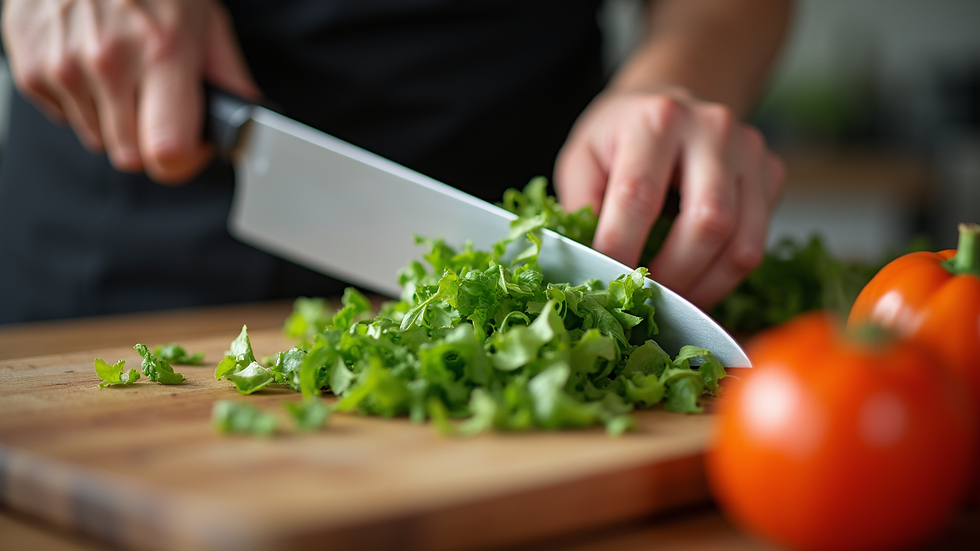
Knife Skills: Learn how to chop, dice, julienne, and mince efficiently. A sharp knife and proper technique speed up prep and improve presentation.
Sauce Making: Master classic sauces like béchamel, hollandaise, and velouté. Sauces add depth and richness to dishes.
Temperature Control: Understand how heat affects different foods. Practice searing, roasting, and simmering to get perfect textures.
Plating and Presentation: Food tastes better when it looks good! Experiment with colors, shapes, and garnishes.
Start by dedicating time to practice these skills. Watch tutorials, read cookbooks, and don’t be afraid to make mistakes. Each attempt brings you closer to excellence.
Essential Tools and Ingredients for Advanced Culinary Skills at Home
Having the right tools and ingredients can make a huge difference. You don’t need every gadget out there, but investing in quality basics will boost your confidence and results.
Must-Have Tools:
Chef’s Knife - A versatile, sharp knife is your best friend.
Cast Iron Skillet - Perfect for searing and roasting.
Digital Thermometer - Ensures perfect doneness.
Mixing Bowls - For prepping and combining ingredients.
Mandoline Slicer - For uniform slicing and presentation.
Ingredients to Keep on Hand:
Fresh herbs (basil, thyme, rosemary)
High-quality olive oil and butter
Variety of salts (sea salt, kosher salt)
Fresh garlic and onions
A selection of spices (paprika, cumin, black pepper)
Using fresh, quality ingredients elevates every dish. Don’t underestimate the power of seasoning and balancing flavors. Taste as you go and adjust accordingly.

How do people with ADHD cook?
Cooking with ADHD can present unique challenges, but it’s absolutely possible to thrive in the kitchen with the right strategies. Many people with ADHD find that breaking tasks into smaller steps helps maintain focus and reduces overwhelm.
Here are some tips that work well:
Use Timers and Alarms: Set reminders for each cooking stage to stay on track.
Prep Ingredients in Advance: Chop veggies and measure spices before starting to cook.
Keep a Clean Workspace: A tidy kitchen minimizes distractions.
Follow Simple, Structured Recipes: Choose recipes with clear, step-by-step instructions.
Use Visual Aids: Write down or print out recipes and check off steps as you go.
These approaches help maintain momentum and make cooking a fun, manageable activity. Remember, patience and practice are key!
Elevate Your Cooking with Flavor Pairing and Experimentation
One of the most exciting parts of cooking is discovering new flavor combinations. Once you’re comfortable with basic techniques, start experimenting with herbs, spices, and ingredients to create unique dishes.
Here’s how to get started:
Understand Flavor Profiles: Sweet, salty, sour, bitter, and umami. Balancing these creates harmony.
Try Classic Pairings: Tomato and basil, lemon and garlic, cinnamon and apple.
Add Texture: Combine creamy, crunchy, and chewy elements for interest.
Use Acid to Brighten: A splash of vinegar or citrus juice can lift a dish.
Don’t Fear Fusion: Mix cuisines and ingredients to invent your own signature recipes.
Keep a cooking journal to note what works and what doesn’t. This will help you refine your palate and build confidence in your creativity.
Tips to Boost Efficiency and Confidence in the Kitchen
Becoming a next-level home chef isn’t just about skills - it’s also about mindset and workflow. Here are some practical tips to help you cook smarter and enjoy the process:
Mise en Place: French for “everything in its place.” Prepare all ingredients before cooking to streamline your workflow.
Clean as You Go: Keeps your space organized and reduces stress.
Practice Mise en Place: It’s a game-changer for multitasking and timing.
Taste Frequently: Adjust seasoning and flavors throughout cooking.
Stay Curious: Watch cooking shows, read blogs, and try new recipes regularly.
By adopting these habits, you’ll feel more in control and excited to tackle even complex dishes.
If you want to truly push your boundaries, check out this resource on next level home chef skills for more advanced techniques and inspiration.
Your Kitchen, Your Culinary Studio
Transforming your kitchen into a professional-level studio is about mindset and dedication. It’s where passion meets practice. With the right skills, tools, and attitude, you can create restaurant-quality meals that wow every time.
Remember, every expert was once a beginner. Keep learning, experimenting, and enjoying the process. Your journey to home chef excellence starts now!
Happy cooking!


Comments